
Key points
- Check import requirements before procurement starts.
- Match packaging and handling to each product, not just the destination.
- Assign responsibility for clearance and cold storage at arrival.
By Zavora Fresh Exports · Nairobi, Kenya
Identify your buyer channel and required specification
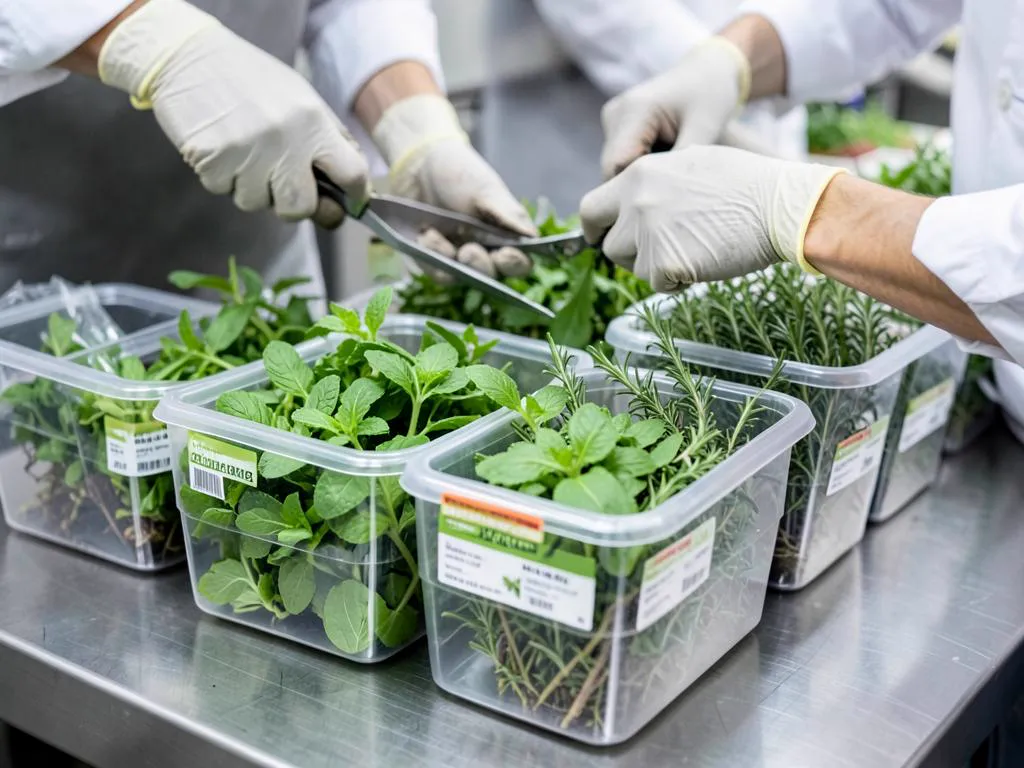
A supermarket programme, restaurant supplier and flower wholesaler need different output from the same sourcing enquiry. Retail buyers may require barcodes and labelled consumer packs; wholesalers may prefer bulk cartons; florists need clear variety, colour and stem-length instructions.
Write down what your customer will reject as well as what they want. Acceptable substitutions, defect tolerances, net weights and bunch counts should not be left to interpretation after harvest. If label approval is required, complete it before packing.
Discuss the specification through Zavora’s buyer consultation and packaging services before comparing supplier quotations.
Confirm the importing country’s rules
Ask your importer or clearing agent which permits, phytosanitary wording and inspections apply to the exact product. Kenya’s KEPHIS handles export plant-health inspection and certification; the receiving country determines admission conditions.
For edible herbs and chillies, check food-safety and residue requirements in addition to plant health. For flowers, check the applicable plant-health controls and buyer standards. Do not transfer requirements from one crop or destination to another without verification.
Have a question while you read?
Send us your produce, volume and destination airport and we will reply with availability and pricing.
Consider the whole journey, including your warehouse
The flight is only part of the shipment. Packing, airport acceptance, transfers, clearance and local collection all affect time and product condition. Ask for the proposed routing and expected handovers, with any transits clearly identified.
Arrange arrival storage and collection before dispatch. A delayed pickup can undermine careful upstream handling. Mixed orders also need compatibility checks: basil should not automatically be handled like every other herb, and flowers should not automatically share the same regime as chillies.
Clarify costs, payment and responsibility
Ask whether the price is per stem, bunch, box or net kilogram, and what is included. Keep freight, packing, inspection costs, destination charges and delivery responsibilities visible. A comparison based on an undefined delivered price is difficult to audit.
Review payment instructions and claims terms before committing funds. The written order should state the named delivery point, agreed specification, quantities and what will happen if a variety or flight cannot be confirmed.
- Confirm the quoted unit and net content
- Identify destination charges excluded from the quotation
- Agree permitted substitutions and communication process
- Keep order confirmation and policy together
Prepare a first-order enquiry for Zavora
Zavora’s current fresh lines are flowers, culinary herbs and chillies. Cashew nuts are a separate catalogue line, not a fresh crop to treat with the same cold-chain assumptions. Availability and shipment feasibility require a specific enquiry.
Buyers in Africa, Europe, the Middle East and Asia should state their country and airport rather than a region alone. Include required arrival dates, documents and the name of the person coordinating clearance so the team can assess the full order.
Start with a written quote request covering your product, quantities, packing and destination requirements.
Start your first shipment
Message us on WhatsApp or email our sourcing team. We will confirm availability, packing options and pricing for your market.
Frequently asked questions
- What should an international buyer prepare before sourcing from Kenya?
- Prepare product specifications, quantities, packaging, destination country and airport, requested arrival dates and importer-side requirements.
- Does a phytosanitary certificate cover all import requirements?
- No. It relates to plant-health requirements. Import permits, food-safety rules, customs obligations and private buyer standards may also apply.
- Can flowers, herbs and chillies be consolidated?
- A mixed-order enquiry can be assessed, but packaging, temperatures, product eligibility and freight compatibility must be confirmed before consolidation.
Plan for your destination market
Buying from Kenya for Africa, Europe, the Middle East or Asia? Start with the relevant regional guide, then confirm your country’s product eligibility, documents, airport handling and proposed routing. Regional guidance is not a guarantee of supply, direct flights or destination approval.
Sources and further checks
Import requirements can change. Verify current rules for your product and destination with the relevant authority and your clearing agent before ordering.